
The Enigma of the PK61: Unraveling the Mysteries of a Forgotten Artifact

The world is a tapestry woven with countless threads, each representing a unique story, a forgotten artifact, or a hidden truth waiting to be unearthed. Among these threads, one stands out, shrouded in mystery and intrigue – the PK61. This enigmatic artifact, discovered in the late 19th century, has captivated historians, archaeologists, and enthusiasts alike, leaving them with more questions than answers.
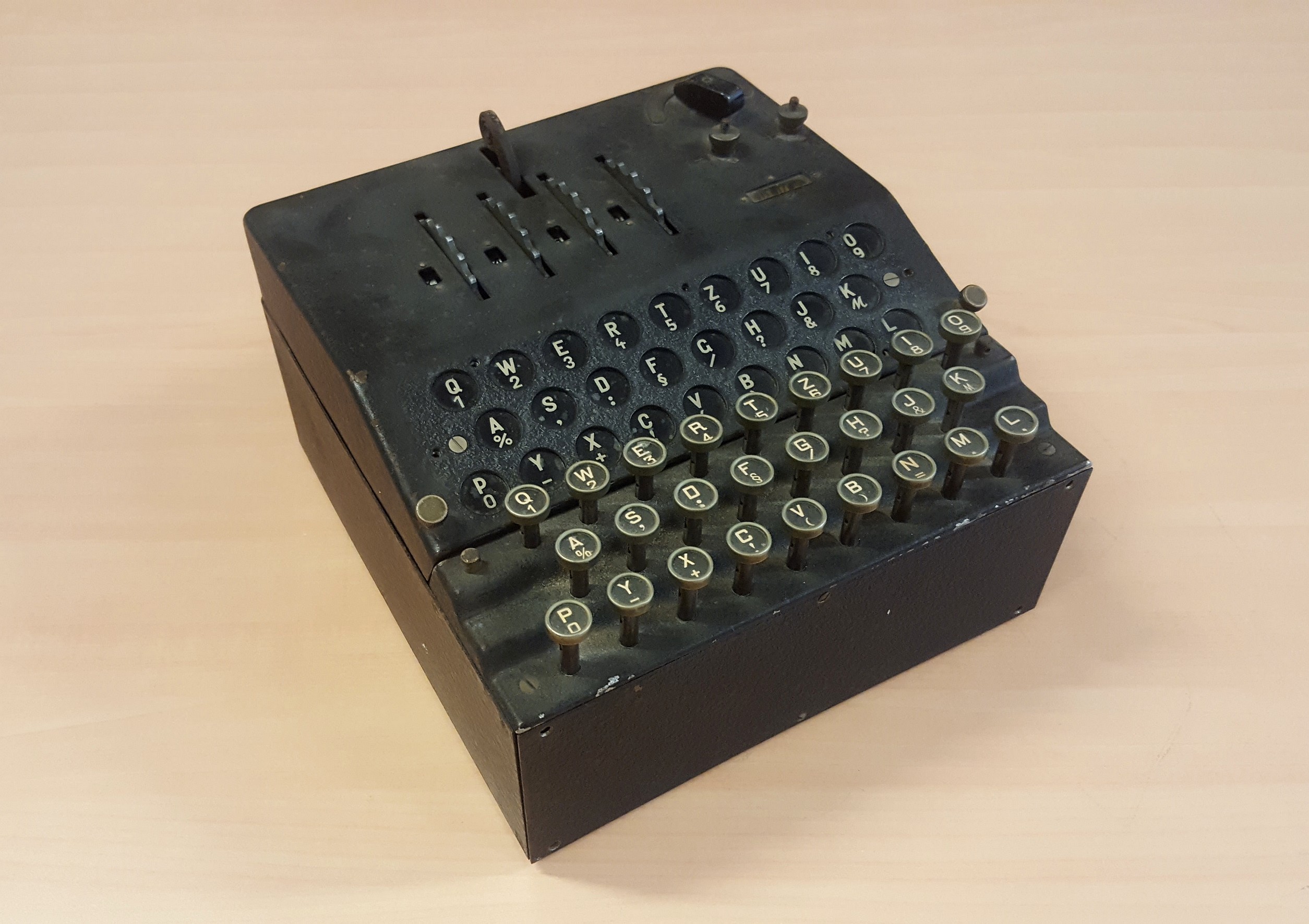
The PK61, a small, metallic object, bears an inscription in an unknown language. Its origin remains a subject of intense debate, with theories ranging from an ancient alien artifact to a lost civilization’s technological marvel. The inscription, seemingly carved into the object’s surface, has defied all attempts at decipherment, further fueling the enigma surrounding its purpose and origin.
The Discovery and Early Investigations:
The PK61 was unearthed in 1898 during an archaeological dig in the remote region of the Atacama Desert in Chile. The excavation, led by the renowned archaeologist Dr. Miguel Vargas, uncovered a series of ancient ruins, including a subterranean chamber containing the mysterious object.
Dr. Vargas, initially skeptical of the artifact’s significance, quickly became fascinated by its intricate design and the enigmatic inscription. He meticulously documented the object, meticulously recording its dimensions, weight, and the inscription’s unique characteristics. He even attempted to decipher the inscription, employing various linguistic experts and codebreakers, but all efforts proved futile.
Theories and Speculations:
The PK61’s discovery sparked a wave of speculation and theories, each more fantastical than the last. Some scholars proposed it was a relic from a lost civilization, perhaps a pre-Columbian culture with advanced technology. Others, drawing inspiration from the burgeoning field of extraterrestrial studies, suggested it was an alien artifact, a piece of technology left behind by a long-gone civilization from another world.
The inscription, with its seemingly alien script, further fueled these theories. Some believed it to be a form of celestial navigation, a map to a distant star system. Others proposed it contained a message from an advanced civilization, perhaps a warning or a guide to future generations.
Scientific Analysis and Modern Research:
In the 20th century, the PK61 was subjected to rigorous scientific analysis. Researchers used various techniques, including X-ray diffraction, electron microscopy, and mass spectrometry, to study its composition and structure. The results revealed that the object was composed of an unusual alloy, unlike any known natural material. The inscription, despite its intricate design, appeared to be etched into the surface, not carved or engraved, suggesting an advanced technology beyond the capabilities of known ancient civilizations.
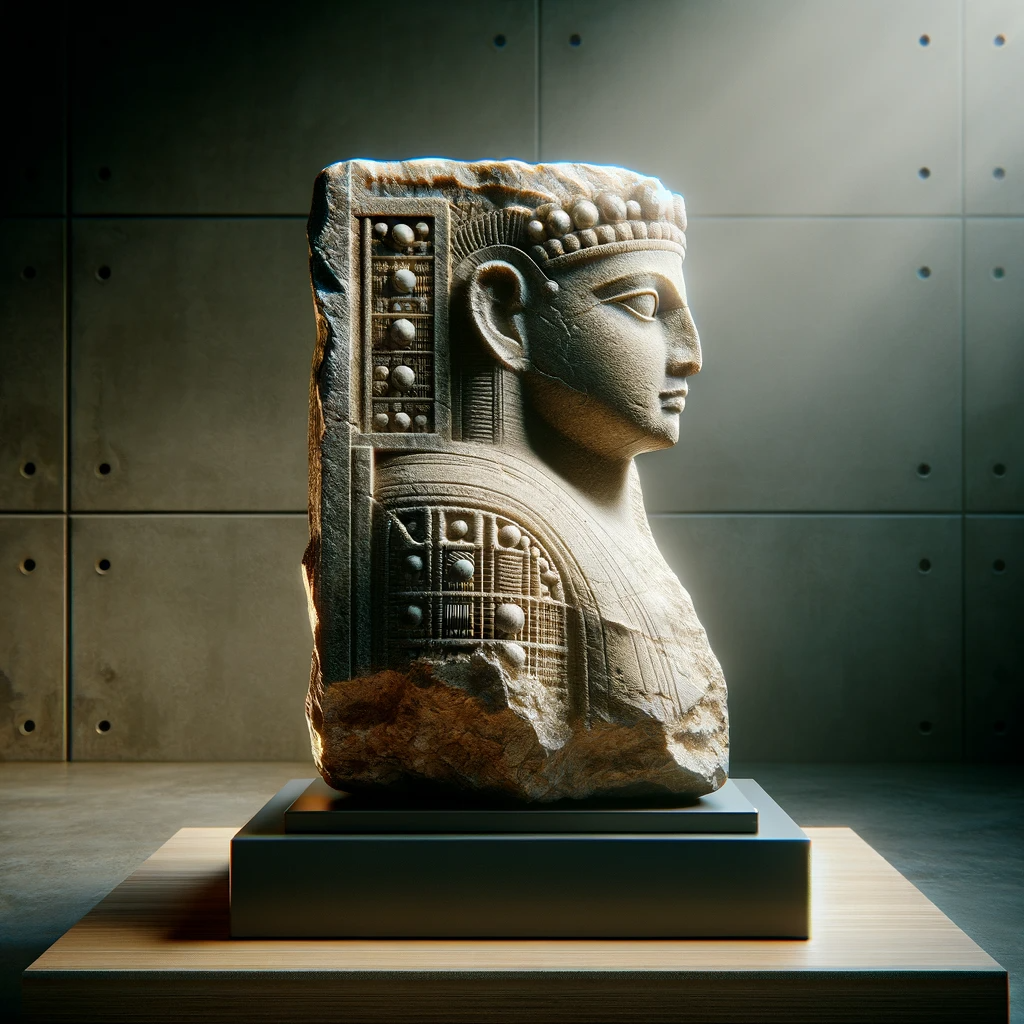
Despite these findings, the object’s origin and purpose remained a mystery. The inscription, defying all attempts at decipherment, continued to be a major obstacle in understanding its significance.
The PK61 and the Search for Answers:
The enigma of the PK61 continues to fascinate and perplex researchers and enthusiasts. The object, now housed in a secure vault at the National Museum of Chile, remains a subject of intense study and speculation.
Modern research has focused on various approaches, including:
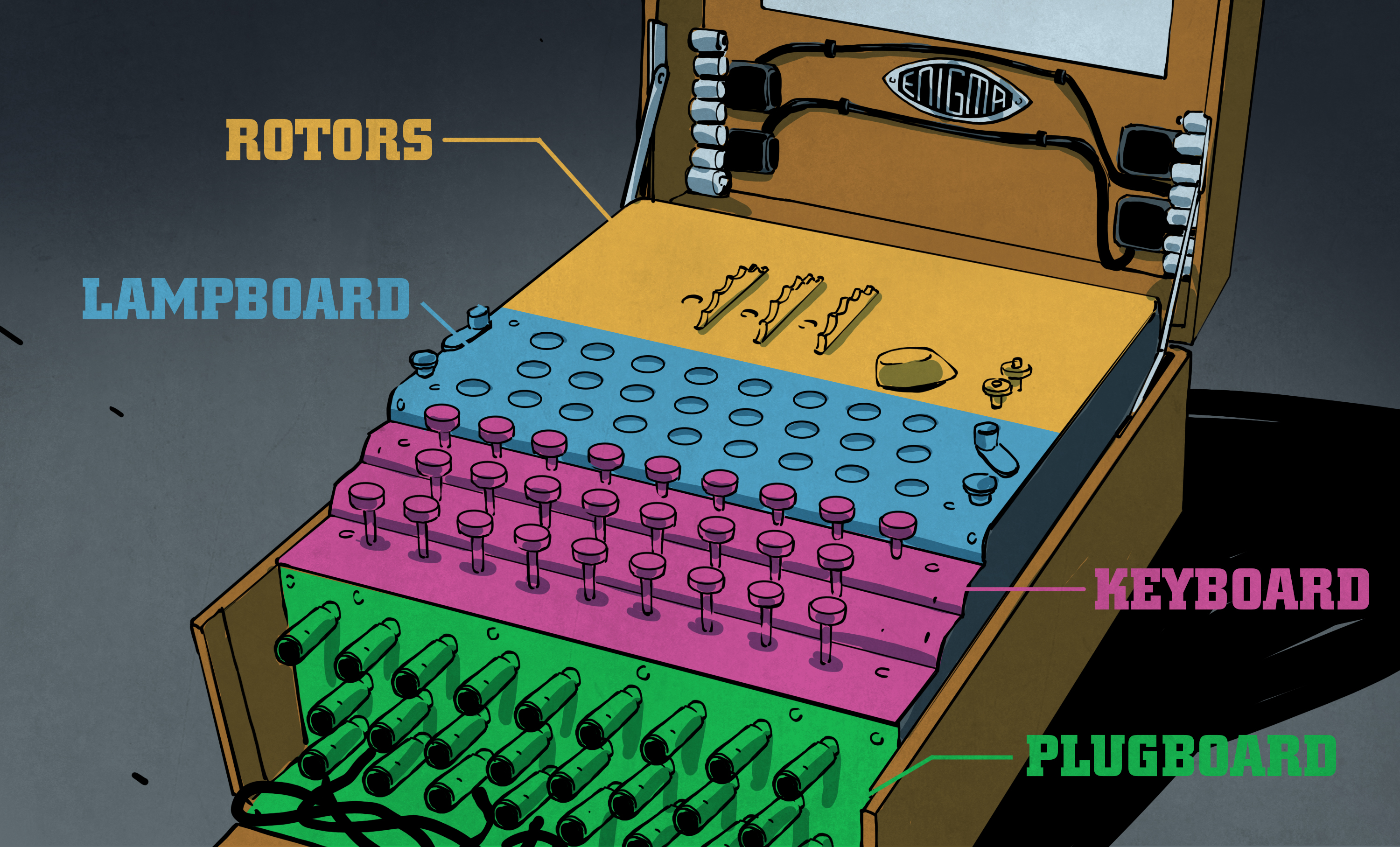
- Linguistic analysis: Researchers are employing advanced computational linguistics and artificial intelligence to analyze the inscription, searching for patterns and potential correlations with known languages and scripts.
- Comparative archaeology: Experts are comparing the PK61 with other ancient artifacts, searching for potential connections or similarities that might shed light on its origin and purpose.
- Interdisciplinary collaboration: Researchers from various fields, including archaeology, linguistics, physics, and astronomy, are collaborating to approach the enigma from different perspectives, hoping to find a breakthrough.
The PK61: A Symbol of the Unknown:

The PK61 stands as a testament to the vastness of human knowledge and the enduring mysteries that lie hidden within our world. It serves as a reminder that even in our age of advanced technology and scientific understanding, there are still secrets waiting to be uncovered, truths yet to be revealed.
The enigma of the PK61 continues to captivate our imaginations, reminding us of the boundless possibilities that lie beyond our current understanding. It is a symbol of the unknown, a testament to the enduring power of curiosity and the relentless pursuit of knowledge.
Further Research and Future Prospects:
The quest to unravel the mysteries of the PK61 continues. With the advancement of technology and the collaborative efforts of researchers from various disciplines, there is hope that the object’s secrets will eventually be revealed.
Future research will likely focus on:

- Advanced imaging techniques: Utilizing cutting-edge imaging technologies, such as 3D scanning and hyperspectral imaging, to analyze the inscription in greater detail and potentially uncover hidden patterns or messages.
- Artificial intelligence and machine learning: Employing AI algorithms to analyze the inscription and compare it with vast databases of known languages and scripts, potentially leading to a breakthrough in decipherment.
- Interdisciplinary collaboration: Encouraging collaboration between researchers from diverse fields, such as archaeology, linguistics, physics, and astronomy, to bring fresh perspectives and innovative approaches to the enigma.
The PK61, a relic from a forgotten past, holds the potential to revolutionize our understanding of history, technology, and the universe itself. It is a reminder that the quest for knowledge is a journey without end, a constant exploration of the unknown, and a testament to the enduring power of human curiosity.

Also read: Cabai Yang Ditumbuk Dan Dihaluskan


